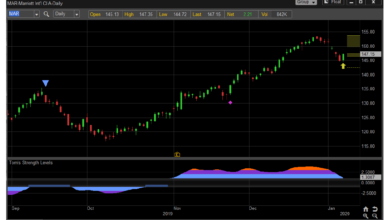
Hotel stocks vs real estate: delving into the world of investments, this discussion explores the differences, similarities, and key factors that impact both sectors.
This analysis aims to provide a comprehensive view of the investment potential, risks, and trends in hotel stocks and real estate, shedding light on crucial aspects for investors.





Hotel stocks vs real estate
Investing in hotel stocks and real estate properties are two popular options for individuals looking to grow their wealth. Both avenues have their own set of advantages and considerations that investors need to take into account.
Investment Potential
When it comes to investment potential, real estate properties are often seen as a more stable and reliable option compared to hotel stocks. Real estate properties tend to appreciate over time, providing a steady source of income through rental payments. On the other hand, hotel stocks can be more volatile, as they are influenced by factors such as consumer travel trends, economic conditions, and global events.
Volatility
Hotel stocks are known for their volatility, with prices fluctuating based on a variety of external factors. Real estate, on the other hand, tends to be more stable in terms of value appreciation over the long term. Investors considering hotel stocks should be prepared for the potential ups and downs that come with this type of investment.
Factors Influencing Performance
The performance of hotel stocks is often tied to the overall health of the travel and tourism industry, as well as economic conditions. Real estate, on the other hand, can be influenced by factors such as location, market demand, and interest rates. Understanding these key factors is essential for investors looking to make informed decisions.
Liquidity
Hotel stocks are generally more liquid than real estate properties, as they can be easily bought and sold on the stock market. Real estate properties, on the other hand, can take longer to sell and may require more effort to find a suitable buyer. This difference in liquidity should be considered when evaluating the overall risk and return potential of each investment option.
Financial aspects
Investing in hotel stocks and real estate properties involves different financial aspects that can impact your returns and tax obligations. Let’s explore how dividends from hotel stocks differ from rental income in real estate and how interest rates and capital gains play a role in these investments.
Dividends vs Rental Income
When you invest in hotel stocks, you earn dividends based on the company’s profitability. These dividends are typically distributed quarterly or annually to shareholders. On the other hand, investing in real estate properties generates rental income from tenants who lease the property. This income can be more stable than dividends as long as the property remains occupied.
- Hotel stocks: Dividends depend on the hotel’s performance and can fluctuate based on market conditions and economic factors.
- Real estate: Rental income is more predictable and can provide a steady cash flow if the property is well-maintained and in a desirable location.
Impact of Interest Rates
Interest rates play a crucial role in both hotel stocks and real estate investments. In the case of hotel stocks, rising interest rates can increase borrowing costs for hotel companies, affecting their profitability and stock prices. On the other hand, real estate investors may face higher mortgage rates, impacting property values and rental income potential.
Rising interest rates can lead to a decrease in demand for both hotel stocks and real estate properties, affecting their overall performance in the market.
Capital Gains vs Stock Price Appreciation
Capital gains in real estate refer to the profit made from selling a property at a higher price than its purchase price. In contrast, stock price appreciation in hotel stocks reflects the increase in the stock’s value over time. Both capital gains and stock price appreciation can be influenced by market trends, demand, and economic conditions.
- Real estate: Capital gains are realized when selling a property, and they can be subject to capital gains tax depending on the holding period.
- Hotel stocks: Stock price appreciation can result from strong financial performance, expansion plans, or positive industry trends.
Tax Implications
When it comes to tax implications, investing in hotel stocks and real estate properties can have different consequences. Dividends from hotel stocks are typically taxed as ordinary income, while rental income from real estate properties may be subject to rental income tax and property taxes.
Real estate investors can benefit from tax deductions related to property maintenance, mortgage interest, and depreciation, reducing their overall tax liability.
Market trends
Hotel stocks and real estate values are heavily influenced by various market trends. Let’s explore the current trends affecting the hotel industry, the impact of economic cycles on real estate market trends, the effects of global events like pandemics, and how technological advancements shape the demand for hotels and real estate properties.
Current trends in the hotel industry
- The rise of alternative accommodations like Airbnb has increased competition for traditional hotels.
- Increased focus on sustainability and eco-friendly practices in the hospitality sector.
- Integration of technology for contactless services and personalized guest experiences.
- Shift towards experiential travel and unique offerings to attract guests.
Influence of economic cycles on real estate market trends
- During economic downturns, real estate values may decrease due to reduced demand and lower consumer confidence.
- In times of economic growth, real estate prices tend to rise, leading to increased investment activity in the sector.
- Interest rates and inflation rates play a significant role in shaping real estate market trends.
Impact of global events on hotel stocks and real estate values
- Global pandemics, such as the COVID-19 outbreak, have severely impacted hotel stocks due to travel restrictions and reduced tourism.
- Real estate values may remain relatively stable during global events but can be affected by changes in consumer behavior and market uncertainty.
- Political instability, natural disasters, and other global events can also influence both hotel stocks and real estate values.
Technological advancements and their impact on demand
- Advancements in technology have led to increased online booking platforms, affecting the distribution channels for hotels and real estate properties.
- Smart home technology and automation have become popular features in real estate properties, attracting tech-savvy buyers and tenants.
- Virtual reality tours and augmented reality applications are changing the way customers view and experience hotels and real estate listings.
Risk and diversification
Investing in hotel stocks and real estate assets comes with its own set of risks and opportunities for diversification. Let’s explore the various factors that investors need to consider when balancing these two types of investments.
Risks of Investing in Hotel Stocks vs Real Estate Assets
- Hotel stocks are more volatile than real estate assets due to factors like occupancy rates, tourism trends, and economic conditions.
- Real estate assets, on the other hand, are subject to risks such as property market fluctuations, maintenance costs, and tenant turnover.
- Hotel stocks are also influenced by factors like competition from online booking platforms, changing consumer preferences, and global events impacting travel demand.
- Real estate assets face risks related to property location, zoning regulations, and interest rate fluctuations affecting mortgage payments.
Diversification Strategies for Hotel Stocks and Real Estate Properties
- Diversifying across different hotel stocks and real estate properties can help mitigate risks associated with individual investments.
- Investors can consider allocating funds to both hotel stocks and real estate assets to balance out the volatility and potential returns of their portfolio.
- Exploring different types of real estate, such as residential, commercial, or industrial properties, can further enhance diversification within the real estate sector.
Geopolitical Factors and Risk Profiles
- Geopolitical events like trade wars, political instability, and natural disasters can impact both hotel stocks and real estate investments by affecting travel patterns, property values, and market sentiment.
- Investors should stay informed about global developments and how they could influence the risk profiles of their hotel stocks and real estate holdings.
- Adapting investment strategies to account for geopolitical risks can help investors navigate uncertainties and protect their portfolio from sudden market shifts.
Impact of Market Sentiment on Risk-Return Profiles
- Market sentiment plays a crucial role in determining the risk-return profiles of hotel stocks and real estate investments, as investor confidence can drive prices and valuations.
- Sudden shifts in market sentiment, triggered by economic data releases, geopolitical events, or industry news, can create opportunities or risks for investors in both sectors.
- Monitoring market sentiment indicators and trends can help investors make informed decisions about their hotel stocks and real estate holdings to optimize risk-adjusted returns.
Final Thoughts
As we conclude this exploration of Hotel stocks vs real estate, it becomes evident that each sector presents unique opportunities and challenges for investors, emphasizing the importance of a diversified portfolio.