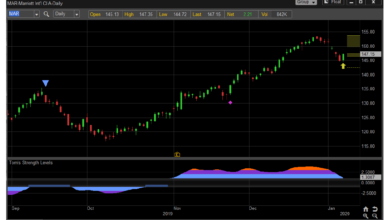
Hotel stocks revenue analysis sets the stage for exploring the financial landscape of the hospitality sector, shedding light on key factors that drive revenue and investor decisions. As we delve into the intricacies of revenue sources, performance metrics, and market trends, a comprehensive understanding of the industry’s financial health emerges.
Introduction to Hotel Stocks Revenue
Hotel stocks revenue refers to the total income generated by hotels from various sources such as room bookings, food and beverage sales, event hosting, and other hospitality services.





Analyzing hotel stocks revenue is important for investors as it provides insights into the financial performance of hotel companies. By understanding the revenue trends, investors can make informed decisions about buying, holding, or selling hotel stocks.
Key Factors Influencing Hotel Stocks Revenue
- Seasonal Demand: The demand for hotel rooms and services fluctuates based on seasons, holidays, and events, impacting revenue.
- Economic Conditions: Economic factors such as GDP growth, consumer spending, and employment rates can influence travel patterns and hotel bookings.
- Competitive Landscape: The presence of competing hotels, pricing strategies, and marketing efforts can affect a hotel’s revenue performance.
- Tourism Trends: Global tourism trends, travel restrictions, and popular destinations can impact the number of visitors and hotel bookings.
- Operational Efficiency: The management’s ability to control costs, optimize pricing, and enhance customer experience plays a crucial role in driving hotel revenue.
Revenue Sources for Hotel Stocks
Hotel stocks generate revenue from various sources that contribute to their overall financial performance. These revenue streams play a crucial role in determining the profitability and stability of hotel stocks in the market.
Room Revenue
Room revenue is one of the primary sources of income for hotel stocks. It is generated from the rental of hotel rooms to guests for overnight stays. Room revenue accounts for a significant portion of the total revenue for hotels and is influenced by factors such as occupancy rates, average daily rates, and seasonal demand.
Food and Beverage Revenue
Food and beverage revenue is another essential source of income for hotel stocks. This revenue is generated from the sale of meals, drinks, and other food services offered by the hotel to guests and visitors. Food and beverage revenue can contribute significantly to the overall revenue of a hotel, especially in properties with popular dining establishments.
Event and Meeting Space Rental Revenue
Hotels often generate revenue from renting out event spaces and meeting rooms to individuals and organizations for conferences, weddings, seminars, and other events. This revenue source can be lucrative for hotels, especially those located in popular event destinations or business districts.
Ancillary Revenue
Ancillary revenue includes income generated from additional services and amenities offered by hotels, such as spa treatments, parking fees, in-room entertainment, and other add-on services. Ancillary revenue can enhance the overall guest experience and contribute to the profitability of hotel stocks.
Comparison of Revenue Sources
| Revenue Source | Contribution to Revenue | Profitability | Stability |
|---|---|---|---|
| Room Revenue | High | Moderate-High | Moderate |
| Food and Beverage Revenue | Moderate | Varies | Varies |
| Event and Meeting Space Rental Revenue | Varies | High | Moderate |
| Ancillary Revenue | Varies | Moderate | High |
Performance Metrics for Hotel Stocks Revenue
When analyzing hotel stocks revenue, there are key performance metrics that investors and analysts rely on to assess the financial health of these companies. These metrics provide valuable insights into the revenue generation and profitability of hotel stocks.
Occupancy Rate
The occupancy rate is a crucial metric for evaluating hotel stocks revenue as it indicates the percentage of rooms that are occupied over a specific period. It is calculated by dividing the total number of rooms occupied by the total number of available rooms and then multiplying by 100. A high occupancy rate is generally seen as a positive sign for hotel stocks, indicating strong demand and revenue potential.
Average Daily Rate (ADR)
The Average Daily Rate (ADR) is another important metric used to analyze hotel stocks revenue. It represents the average revenue earned per occupied room in a given time period. A higher ADR signifies that hotels are able to charge more for their rooms, leading to increased revenue and profitability.
Revenue per Available Room (RevPAR)
RevPAR is a key performance metric that combines both occupancy rate and ADR to provide a comprehensive view of a hotel’s revenue-generating ability. It is calculated by multiplying the occupancy rate by the ADR. A higher RevPAR indicates that a hotel is effectively maximizing both its occupancy and room rates to drive revenue growth.
Net Operating Income (NOI)
Net Operating Income (NOI) is a critical metric that measures a hotel’s profitability by subtracting operating expenses from total revenue. A higher NOI indicates that a hotel is efficiently managing its costs and generating strong revenue streams. Investors often look at NOI to assess the financial viability and performance of hotel stocks.
Market Trends Impacting Hotel Stocks Revenue
As the hospitality industry continues to evolve, several market trends are playing a significant role in influencing hotel stocks revenue. Understanding these trends is crucial for investors and hotel companies to make informed decisions and adapt to the changing landscape.
Economic Conditions
Economic conditions have a direct impact on hotel stocks revenue. When the economy is thriving, people are more likely to travel for business and leisure, leading to increased demand for hotel accommodations. Conversely, during economic downturns, travel may decrease, affecting occupancy rates and ultimately revenue for hotel companies.
Travel Patterns
Shifts in travel patterns, such as the rise of online booking platforms and the popularity of alternative accommodations like Airbnb, have also influenced hotel stocks revenue. Hotel companies need to stay agile and adapt to changing consumer preferences to remain competitive in the market.
Competition
The competitive landscape in the hospitality industry is fierce, with new players entering the market and existing brands expanding their offerings. Competition can impact pricing strategies, customer loyalty, and overall revenue for hotel companies. To stay ahead, hotel companies are constantly innovating and differentiating their services to attract and retain guests.
Ultimate Conclusion
In conclusion, Hotel stocks revenue analysis equips investors with valuable insights into revenue streams, performance indicators, and market dynamics within the hotel industry. By staying informed and adaptable to evolving trends, stakeholders can make informed decisions to maximize returns in this competitive market.