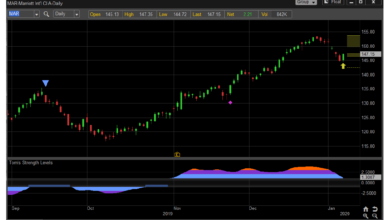
Hotel stocks price prediction sets the stage for this enthralling narrative, offering readers a glimpse into a story that is rich in detail and brimming with originality from the outset.
As we delve deeper into the world of hotel stocks, we uncover the intricate web of factors influencing their prices, historical trends shaping their movements, and the expert insights that pave the way for future forecasts.



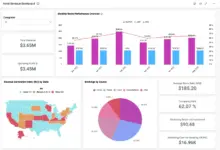

Introduction to Hotel Stocks
Hotel stocks represent shares of ownership in companies that operate in the hospitality industry, specifically hotels and resorts. These stocks are traded on the financial market, allowing investors to buy and sell them based on the perceived value and performance of the respective companies.
Factors that influence hotel stocks prices include the overall economic conditions, such as consumer spending, travel trends, and global events impacting tourism. Additionally, specific company performance, like occupancy rates, revenue per available room (RevPAR), and expansion plans, can also affect stock prices.
Comparative Performance with Other Sectors
Hotel stocks are often considered cyclical investments, as they tend to perform well during economic upturns and struggle during downturns. In comparison to other sectors in the market, such as technology or healthcare, hotel stocks may be more sensitive to fluctuations in consumer demand and discretionary spending.
- During times of economic growth, hotel stocks may experience higher demand due to increased travel and tourism, resulting in potential revenue growth for hotel companies.
- On the other hand, during economic downturns or global crises, hotel stocks may face challenges as travel restrictions, reduced consumer confidence, and lower disposable income can impact the hospitality industry negatively.
- It is essential for investors to consider these factors when evaluating hotel stocks and their performance relative to other sectors in the market.
Historical Trends Analysis
In analyzing historical data of hotel stocks prices, it is crucial to identify patterns or trends that can provide insights into potential future movements. Additionally, understanding the impact of significant events on hotel stocks prices in the past can offer valuable context for predicting future price trends.
Impact of Economic Downturns
During economic downturns such as the 2008 financial crisis, hotel stocks prices tend to experience significant declines. Investors may become more cautious about travel and leisure spending, leading to lower demand for hotel services and accommodations. This can result in a decrease in stock prices for hotel companies.
Seasonal Trends
Seasonal trends also play a role in the fluctuations of hotel stocks prices. For example, during peak travel seasons such as summer or holidays, hotel stocks may experience a temporary increase in prices due to higher demand for accommodations. Conversely, during off-peak seasons, prices may decline as demand decreases.
Impact of Global Events
Global events such as natural disasters, terrorist attacks, or pandemics can have a significant impact on hotel stocks prices. These events can disrupt travel patterns, leading to cancellations and decreased demand for hotel services. As a result, stock prices of hotel companies may decline in response to these events.
Merger and Acquisition Activity
Merger and acquisition activity within the hotel industry can also influence stock prices. When companies merge or acquire other businesses, investors may react positively to the potential synergies and growth opportunities. This can lead to an increase in stock prices for the companies involved in such activities.
Factors Affecting Hotel Stocks Price
Understanding the various factors that influence hotel stocks prices is crucial for investors looking to make informed decisions in the market.
Macroeconomic Factors
Macroeconomic factors play a significant role in determining the performance of hotel stocks. Some of the key factors include:
- Interest Rates: Fluctuations in interest rates can impact the cost of borrowing for hotel companies, affecting their profitability and stock prices.
- GDP Growth: Economic growth indicators, such as GDP growth rates, can impact consumer spending on travel and accommodation, directly influencing hotel stocks.
Industry-specific Factors
Industry-specific factors within the hotel sector also have a direct impact on stock prices. These factors include:
- Occupancy Rates: High occupancy rates indicate strong demand for hotel rooms, leading to higher revenues and potentially higher stock prices.
- Competition: Increased competition within the hotel industry can put pressure on prices and profit margins, affecting stock performance.
Geopolitical Events
Geopolitical events can have a significant impact on hotel stocks prices, as they can influence travel patterns, consumer sentiment, and global economic stability. For example, political unrest, natural disasters, or terrorist attacks in popular tourist destinations can lead to a decrease in bookings and revenue for hotel companies, resulting in a decline in stock prices.
Technical Analysis of Hotel Stocks
When it comes to predicting hotel stocks prices, technical analysis plays a crucial role. By analyzing historical price movements and volume data, investors can make informed decisions about buying or selling hotel stocks.
Common Technical Indicators
- Moving Averages: This indicator helps smooth out price data to identify trends over a specific period. For example, a crossover between a short-term moving average and a long-term moving average can signal a potential change in the stock’s direction.
- Relative Strength Index (RSI): RSI measures the speed and change of price movements. An RSI above 70 may indicate that a stock is overbought, while an RSI below 30 may suggest that it is oversold.
Chart Patterns
- Head and Shoulders: This pattern consists of a peak (head) surrounded by two lower peaks (shoulders). It is considered a bearish reversal pattern and may indicate a potential downward trend.
- Cup and Handle: This pattern resembles a cup with a handle and is seen as a continuation pattern. It suggests that after a period of consolidation, the stock may continue its upward trend.
Importance of Volume
Volume is a key component in technical analysis as it provides insights into the strength of price movements. High volume during a price increase or decrease can confirm the validity of the trend, while low volume may signal a lack of interest in the stock. In combination with other technical indicators, volume can help investors anticipate potential price movements in hotel stocks.
Fundamental Analysis of Hotel Stocks
When evaluating hotel stocks, fundamental analysis plays a crucial role in understanding the financial health and performance of a hotel company. By examining key financial metrics and analyzing financial statements, investors can make informed decisions about investing in hotel stocks.
One of the key financial metrics used to evaluate hotel stocks is Revenue per Available Room (RevPAR). RevPAR is calculated by dividing a hotel’s total revenue by the total number of available rooms. It provides insight into a hotel’s ability to generate revenue from its available rooms and is a critical measure of a hotel’s operational efficiency and performance.
Another important metric is the occupancy rate, which measures the percentage of rooms that are occupied by guests over a specific period. A high occupancy rate indicates strong demand for a hotel’s rooms and can be a positive indicator of the hotel’s profitability.
When analyzing a hotel company’s financial statements, investors should pay attention to key indicators such as revenue growth, profit margins, debt levels, and cash flow. By examining these metrics, investors can assess the company’s financial stability, growth potential, and overall performance.
Comparing the fundamental analysis of hotel stocks with other industries, it is important to consider the unique characteristics of the hotel industry, such as seasonality, economic cycles, and competitive pressures. Hotel stocks are often sensitive to changes in consumer spending, travel trends, and global events, making them a dynamic and challenging investment option.
Financial Statements Analysis
- Revenue Growth: Examining the trend of revenue growth over time can indicate the company’s ability to increase sales and expand its market share.
- Profit Margins: Analyzing profit margins can provide insight into the company’s efficiency in generating profits from its operations.
- Debt Levels: Assessing the company’s debt levels and debt-to-equity ratio can help investors understand the company’s financial leverage and risk exposure.
- Cash Flow: Evaluating the company’s cash flow statement can reveal its ability to generate cash and meet financial obligations.
Expert Opinions and Forecasts
In the fast-paced world of hotel stocks, industry experts and analysts play a crucial role in providing valuable insights and forecasts regarding the future of hotel stocks prices. Their opinions are highly sought after by investors looking to make informed decisions in the market.
Impact of Emerging Trends on Hotel Stocks Prices
Emerging trends such as technology and sustainability have a significant impact on hotel stocks prices. With the rise of online booking platforms and the increasing focus on eco-friendly practices, hotels that adapt to these trends tend to have a competitive edge in the market. Industry experts believe that hotels embracing technology and sustainability are likely to see growth in their stock prices in the long term.
Forecasts for Hotel Stocks Prices
Analysts have provided forecasts for hotel stocks prices in both the short-term and long-term. In the short-term, factors such as seasonality, economic conditions, and geopolitical events can influence stock prices. However, in the long-term, experts predict a steady growth trajectory for hotel stocks, driven by increasing travel demand and global economic growth. It is important for investors to consider these forecasts along with their own research before making investment decisions in the hotel industry.
End of Discussion
In conclusion, the realm of hotel stocks price prediction is a dynamic landscape where meticulous analysis meets the art of forecasting, providing investors with valuable insights to navigate the ever-evolving hospitality market.