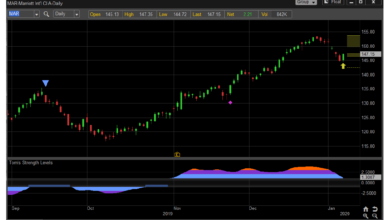
Hotel stocks market volatility impact sets the stage for exploring how market fluctuations affect the hospitality industry, offering insights into investor behavior and risk management strategies.
Delving deeper, we uncover the factors driving volatility, potential trends, and future opportunities within the hotel stocks market.




Impact of market volatility on hotel stocks
Market volatility can have a significant impact on the prices of hotel stocks. The uncertainty and rapid fluctuations in the market can lead to increased risk and potentially lower valuations for hotel companies.
Historical events, such as the 2008 financial crisis, have shown how market volatility can greatly affect hotel stocks. During times of economic downturn or uncertainty, travel and tourism are often among the first industries to suffer, causing a decline in hotel stock prices.
The relationship between market volatility and investor sentiment towards hotel stocks is closely intertwined. High levels of volatility can create fear and panic among investors, leading to selling pressure and further driving down stock prices. On the other hand, periods of stability and confidence in the market can boost investor sentiment and result in higher valuations for hotel stocks.
Factors influencing hotel stocks during market volatility
Market volatility can significantly impact hotel stocks, with various factors contributing to their fluctuations. Understanding these factors is crucial for investors looking to navigate the market effectively.
Economic Indicators
Economic indicators such as GDP growth, employment rates, and consumer spending play a significant role in influencing hotel stocks during market volatility. Positive economic indicators can boost travel demand and hotel bookings, leading to an increase in stock prices. Conversely, negative economic indicators can result in reduced travel activities and lower stock prices.
Global Events
Global events, such as natural disasters, political instability, or health crises, can have a direct impact on hotel stocks. For example, travel advisories due to geopolitical tensions can deter tourists, affecting hotel occupancy rates and stock performance. Investors closely monitor global events to assess their potential impact on the hospitality industry.
Investor Behavior
Investor behavior also plays a crucial role in the volatility of hotel stocks. During periods of market uncertainty, investors may engage in panic selling or irrational buying, leading to sharp fluctuations in stock prices. Sentiments, perceptions, and market psychology can influence investor decisions and exacerbate volatility in hotel stocks.
Government Policies
Government policies can either mitigate or exacerbate market volatility for hotel stocks. For instance, regulations impacting travel restrictions, taxation, or infrastructure development can affect the overall performance of the hospitality sector. Additionally, monetary policies, such as interest rate changes, can impact consumer spending and travel patterns, influencing hotel stock prices.
Overall, a combination of economic indicators, global events, investor behavior, and government policies can significantly influence the volatility of hotel stocks during market fluctuations. Investors should stay informed about these factors to make well-informed decisions in a dynamic market environment.
Strategies for managing risks associated with hotel stocks in volatile markets
In volatile markets, risks associated with hotel stocks can be managed through various strategies to protect investments and minimize losses.
Risk Management Strategies for Investors
- Set stop-loss orders: Investors can use stop-loss orders to automatically sell their shares if the price drops to a certain level, limiting potential losses.
- Diversify portfolio: By investing in a variety of hotel stocks as well as other industries, investors can spread out risk and reduce the impact of market volatility on their overall portfolio.
- Stay informed: Keeping up-to-date with market trends, economic indicators, and news related to the hotel industry can help investors make informed decisions amidst market volatility.
- Utilize options and derivatives: Investors can use options and derivatives to hedge against potential losses or speculate on price movements in hotel stocks.
Short-term vs. Long-term Investment Strategies
- Short-term: Investors looking for quick profits may engage in short-term trading of hotel stocks, taking advantage of price fluctuations. However, this approach can be riskier due to market volatility.
- Long-term: Long-term investors focus on the underlying fundamentals of hotel stocks, such as revenue growth, profitability, and market position. They are more likely to weather market volatility and benefit from long-term growth.
Importance of Diversification in Portfolio
Diversification plays a crucial role in managing risks associated with hotel stocks in volatile markets. By spreading investments across different sectors and asset classes, investors can protect their portfolio from large losses in case of a downturn in the hotel industry. It helps in balancing risk and return, ensuring a more stable investment strategy.
Future outlook for hotel stocks amidst market volatility
In the midst of ongoing market volatility, it is crucial to assess the future outlook for hotel stocks and anticipate potential trends that may emerge. Factors such as technological advancements and industry disruptors will play a significant role in shaping the performance of hotel stocks during uncertain market conditions. Despite the challenges posed by market volatility, there are still opportunities for growth and recovery within the hotel industry.
Technological Advancements and Industry Disruptors
The hotel industry is no stranger to technological advancements and industry disruptors, which have the potential to significantly impact the future performance of hotel stocks during volatile market conditions. The rise of online booking platforms, artificial intelligence in customer service, and the sharing economy have all reshaped the way hotels operate and compete in the market. As such, hotel companies that embrace these technologies and adapt to changing consumer preferences are more likely to thrive amidst market volatility.
Opportunities for Growth and Recovery
Despite the uncertainties brought about by market volatility, there are still opportunities for growth and recovery within the hotel industry. One potential avenue for growth is through diversification, where hotel companies expand their offerings to include additional services such as wellness programs, experiential travel packages, or eco-friendly initiatives. Additionally, strategic partnerships with technology companies or other industry players can provide access to new markets and revenue streams. By focusing on innovation and customer experience, hotel stocks can position themselves for long-term success even in the face of market fluctuations.
Final Conclusion
In conclusion, navigating market volatility in hotel stocks demands a nuanced approach, considering historical patterns, current influences, and future prospects.