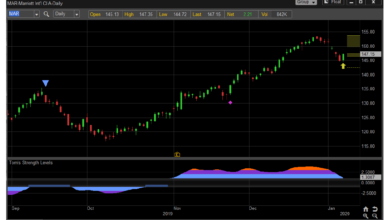
Hotel stocks future outlook sets the stage for this enthralling narrative, offering readers a glimpse into a story that is rich in detail with casual formal language style and brimming with originality from the outset.
As we delve deeper into the intricacies of hotel stocks and their future outlook, we uncover a tapestry of trends, forecasts, and investment strategies that paint a vivid picture of what lies ahead in this dynamic market.





Overview of Hotel Stocks
Hotel stocks represent shares of ownership in companies that operate within the hospitality industry, specifically in the hotel sector. These stocks are traded on the financial market, allowing investors to buy and sell them based on market conditions and the performance of the respective companies.
Factors that typically influence hotel stocks include economic indicators such as GDP growth, consumer spending, and travel trends. Additionally, factors like geopolitical events, natural disasters, and changes in government policies can also impact the performance of hotel stocks.
The significance of hotel stocks within the broader economy lies in their connection to the overall health of the tourism and travel industry. As hotels cater to both business and leisure travelers, their performance can reflect the strength of consumer confidence, corporate spending, and global travel patterns. Moreover, hotel stocks can serve as a barometer for the economy, providing insights into consumer behavior and market sentiment.
Current Trends in the Hotel Industry
As the hotel industry continues to evolve, several trends have emerged that could significantly impact hotel stocks. One of the most notable recent trends is the shift towards technology-driven solutions to enhance guest experiences and streamline operations.
Impact of COVID-19 Pandemic
The COVID-19 pandemic has had a profound impact on the hotel industry, leading to widespread travel restrictions, cancellations, and a sharp decline in occupancy rates. Many hotels were forced to temporarily close or operate at reduced capacity, resulting in significant financial losses.
Hotels have had to implement strict health and safety protocols to reassure guests and comply with regulations. This has led to increased operational costs and changes in the way hotels operate, such as contactless check-in procedures and enhanced cleaning measures.
Emerging Patterns and Changes
- Shift towards domestic travel: With international travel restrictions in place, many travelers are opting for domestic destinations, leading to an increased focus on local tourism.
- Rise of remote work: The trend of remote work has led to a rise in ‘workations,’ where individuals combine work and leisure travel. Hotels are adapting to cater to this new segment of travelers.
- Sustainability initiatives: Hotels are increasingly prioritizing sustainability efforts, such as reducing waste, conserving energy, and promoting eco-friendly practices to attract environmentally conscious guests.
- Alternative accommodations: The popularity of alternative accommodations, such as vacation rentals and home-sharing platforms, has posed a challenge to traditional hotel brands, prompting them to innovate and differentiate their offerings.
Forecasting Future Performance
When it comes to predicting the future performance of hotel stocks, analysts and investors rely on a combination of methods to make informed decisions. By comparing historical data with current market conditions, they can identify trends and patterns that may indicate potential outcomes for the industry.
Comparing Historical Data with Current Market Conditions
One common method used to forecast the future performance of hotel stocks is to analyze historical data and trends. By looking at past performance, including revenue, occupancy rates, and overall market trends, analysts can identify patterns that may repeat in the future. This historical data serves as a valuable reference point when predicting how hotel stocks may perform in the coming months or years.
Challenges and Uncertainties in Predicting Future Outlook
- Market Volatility: The hotel industry is susceptible to market fluctuations and economic conditions, making it challenging to predict future performance accurately.
- Global Events: Unexpected events such as natural disasters, political unrest, or health crises can have a significant impact on the hotel industry, introducing uncertainties into forecasting models.
- Competitive Landscape: The competitive nature of the hotel industry can make it difficult to predict how individual companies will fare against their peers, adding complexity to forecasting efforts.
- Consumer Behavior: Changes in consumer preferences and behavior can also influence the future performance of hotel stocks, creating additional challenges for analysts and investors.
Investment Strategies for Hotel Stocks
Investing in hotel stocks can be a lucrative opportunity for investors looking to diversify their portfolio and capitalize on the growth potential of the hospitality industry. However, it is important to carefully consider different investment strategies to maximize returns and manage risks effectively.
Long-term Investment
- One strategy for investing in hotel stocks is to take a long-term approach, focusing on companies with strong fundamentals and a proven track record of performance.
- By holding onto these stocks for an extended period, investors can benefit from potential capital appreciation and dividends over time.
- Long-term investors should conduct thorough research on the financial health and growth prospects of hotel companies before making investment decisions.
Short-term Trading
- For investors looking to capitalize on short-term market fluctuations, short-term trading of hotel stocks can be a viable strategy.
- This approach involves buying and selling stocks within a short time frame to take advantage of price movements and market trends.
- Short-term traders should closely monitor market conditions, news, and events that may impact stock prices in the hospitality sector.
Diversification
- Investors can also consider using hotel stocks to diversify their portfolio, spreading risk across different sectors and industries.
- By including hotel stocks alongside other types of investments, such as technology, healthcare, or consumer goods, investors can reduce overall portfolio volatility.
- Diversification can help mitigate the impact of market fluctuations on a specific sector, providing a more stable and balanced investment portfolio.
It is essential for investors to assess their risk tolerance, investment goals, and time horizon before deciding on the most suitable investment strategy for hotel stocks.
Concluding Remarks
In conclusion, the future outlook for hotel stocks presents a landscape ripe with opportunities and challenges, beckoning investors to navigate wisely and strategically in the ever-evolving world of finance.