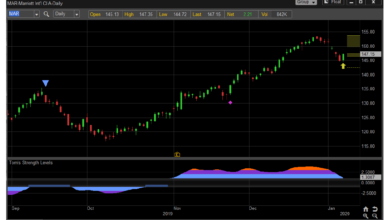
Hotel stocks earnings report play a vital role in understanding the financial health of hospitality companies. Dive into the world of financial analysis in the hotel industry.
Overview of Hotel Stocks Earnings Reports
Hotel stocks earnings reports are financial documents released by publicly traded hotel companies to provide information on their financial performance over a specific period, usually quarterly or annually. These reports are crucial for investors in the hospitality industry as they offer valuable insights into the company’s revenue, expenses, profits, and overall financial health.





Key Components of Hotel Stocks Earnings Reports
Earnings reports typically include the following key components:
- Revenue: The total income generated by the hotel company from room bookings, food and beverage sales, and other services.
- Expenses: The costs incurred by the company in running its operations, including staff wages, utilities, maintenance, and marketing expenses.
- Profit Margin: The percentage of revenue that translates into profit after deducting all expenses.
- Occupancy Rate: The percentage of hotel rooms that are occupied over a specific period, indicating demand for the company’s services.
- RevPAR (Revenue per Available Room): A key performance metric calculated by dividing total room revenue by the number of available rooms, providing insights into the company’s pricing strategy and overall performance.
Factors Influencing Hotel Stocks Earnings
Understanding the various factors that can impact hotel stocks earnings is crucial for investors and analysts alike. Both external and internal factors play a significant role in determining the financial performance of hotel companies.
External Factors
- Economic Conditions: Fluctuations in the economy, such as recessions or economic booms, can greatly impact consumer spending on travel and accommodation, directly affecting hotel stocks earnings.
- Travel Trends: Changes in travel patterns, preferences, and behaviors of consumers can influence the demand for hotel services, impacting revenue and profitability.
- Political Stability: Political instability or unrest in a region can deter travelers, leading to a decrease in hotel bookings and subsequently affecting earnings.
Internal Factors
- Operational Efficiency: The ability of hotel companies to effectively manage costs, optimize resources, and enhance operational efficiency can directly impact their earnings.
- Marketing Strategies: Innovative marketing campaigns, loyalty programs, and pricing strategies can attract more guests and drive revenue growth for hotel companies.
- Quality of Service: Maintaining high standards of customer service, guest satisfaction, and overall experience can lead to repeat business and positive word-of-mouth referrals, ultimately impacting earnings.
Seasonal and Event Influences
- Holidays: Peak holiday seasons can result in higher occupancy rates and room rates, positively impacting hotel stocks earnings.
- Pandemics: Global health crises, such as the COVID-19 pandemic, can severely disrupt the travel industry, leading to a significant decline in hotel bookings and revenue, thereby affecting earnings.
- Special Events: Hosting major events, conferences, or festivals can drive demand for hotel accommodations, boosting earnings during specific periods.
Performance Metrics in Hotel Stocks Earnings Reports
In hotel stocks earnings reports, various performance metrics are used to assess the financial health and operational efficiency of a hotel company. These metrics provide insights into key aspects of the business and help investors make informed decisions.
RevPAR (Revenue per Available Room)
RevPAR is a crucial metric that indicates the revenue generated by each available room in a hotel. It is calculated by dividing the total room revenue by the total number of available rooms. RevPAR is a key indicator of a hotel’s pricing strategy, demand levels, and overall performance.
ADR (Average Daily Rate)
ADR represents the average rate charged for each room in a hotel over a specific period. It is calculated by dividing the total room revenue by the total number of rooms sold. ADR provides insights into a hotel’s pricing power and helps assess the effectiveness of revenue management strategies.
Occupancy Rate
Occupancy rate measures the percentage of available rooms that are occupied during a specific period. It is calculated by dividing the total number of rooms occupied by the total number of available rooms. Occupancy rate reflects the demand for hotel rooms and the efficiency of hotel operations.
Net Operating Income (NOI)
NOI is a key financial metric that represents a hotel’s revenue after deducting operating expenses. It helps investors gauge the profitability of a hotel property and evaluate its operational efficiency. NOI is calculated by subtracting operating expenses from total revenue.
Revenue Growth Rate
Revenue growth rate indicates the percentage increase in a hotel’s revenue over a specific period. It is calculated by comparing the total revenue of the current period with the total revenue of the previous period. Revenue growth rate is essential for assessing a hotel’s financial performance and future prospects.
Profit Margin
Profit margin measures the percentage of revenue that translates into profit after deducting all expenses. It is calculated by dividing net income by total revenue and multiplying by 100. Profit margin is a critical metric for evaluating a hotel’s financial health and efficiency in cost management.
Trends and Forecasts in Hotel Stocks Earnings
The hospitality industry is constantly evolving, and various trends can impact the future earnings of hotel stocks. Analysts use a combination of data analysis, market research, and industry knowledge to forecast and predict the earnings of hotel stocks. Let’s delve deeper into how trends and forecasts play a crucial role in shaping the strategies of hotel companies based on their earnings reports.
Impact of Current Trends on Hotel Stocks Earnings
- One major trend affecting hotel stocks earnings is the rise of online booking platforms, which can increase occupancy rates and revenue for hotel companies.
- Changing consumer preferences towards sustainable and eco-friendly accommodations can influence the earnings of hotels that align with these values.
- The emergence of new technologies such as AI-powered chatbots and mobile check-in options can enhance guest experiences and drive revenue growth for hotels.
Analysts Forecasting and Predicting Hotel Stocks Earnings
- Analysts analyze historical financial data, industry trends, and macroeconomic factors to create forecasts for hotel stocks earnings.
- They also consider variables like occupancy rates, average daily rates, and revenue per available room to make accurate predictions about future earnings.
- Market research and competitor analysis play a crucial role in helping analysts forecast how external factors may impact the financial performance of hotel companies.
Utilizing Earnings Reports for Future Strategies
- Hotel companies use earnings reports to identify areas of strength and weakness in their operations, allowing them to make strategic decisions for future growth.
- Insights from earnings reports help hotel companies adjust pricing strategies, marketing efforts, and operational procedures to maximize profitability in the long run.
- By analyzing trends and forecasts within their earnings reports, hotel companies can adapt to changing market conditions and stay ahead of the competition.
Closing Notes
Delve into the intricate details of hotel stocks earnings reports to make informed investment decisions and stay ahead of market trends in the hospitality sector.