Starting with Hotel stocks dividend yield, this opening paragraph aims to grab the readers’ attention and provide a glimpse into the world of hotel stock investments.
Exploring what dividend yield means for hotel stocks, the current landscape of well-known hotel stocks, and why dividend yield is a crucial factor for investors.






Overview of Hotel Stocks Dividend Yield
Dividend yield is a financial ratio that indicates the percentage of a company’s annual dividends relative to its share price. For hotel stocks, dividend yield is a crucial metric for investors looking for income-generating investments in the hospitality industry.
Examples of Well-Known Hotel Stocks and Their Current Dividend Yields
- Hilton Worldwide Holdings Inc. (HLT) – Dividend Yield: 0.72%
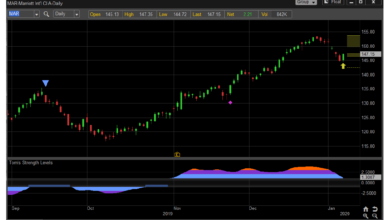
- Marriott International Inc. (MAR) – Dividend Yield: 0.96%
- InterContinental Hotels Group PLC (IHG) – Dividend Yield: 1.98%
Importance of Dividend Yield for Investors in the Hotel Industry
Dividend yield can be a crucial factor for investors in the hotel industry as it provides an insight into the profitability and financial health of hotel companies. A higher dividend yield may indicate a stable and well-performing company, making it an attractive investment option for income-oriented investors.
Factors Influencing Hotel Stocks Dividend Yield
When it comes to hotel stocks, several key factors can significantly influence their dividend yield. Factors such as economic conditions, occupancy rates, and competition play a crucial role in determining the dividend yield of hotel stocks. Understanding these factors is essential for investors looking to make informed decisions in this sector.
Economic Conditions
Economic conditions, both locally and globally, can have a direct impact on the dividend yield of hotel stocks. During economic downturns, consumer spending on travel and accommodation tends to decrease, leading to lower occupancy rates and ultimately affecting the profitability of hotel companies. On the other hand, during economic booms, increased consumer spending can boost travel demand, occupancy rates, and consequently, the dividend yield of hotel stocks.
Occupancy Rates
Occupancy rates are a significant driver of revenue for hotel companies. Higher occupancy rates indicate strong demand for hotel services, resulting in increased revenue and potentially higher dividend yields for investors. Conversely, low occupancy rates can signal a lack of demand, leading to lower profitability and dividend yields.
Competition
The level of competition within the hotel industry can also impact the dividend yield of hotel stocks. Intense competition among hotel companies can lead to pricing pressures and reduced profitability, affecting the ability of companies to pay dividends to their shareholders. On the other hand, in markets with limited competition, hotel companies may have more pricing power, leading to higher profitability and potentially higher dividend yields.
Understanding the relationship between economic conditions, occupancy rates, competition, and hotel stocks’ performance is essential for investors looking to assess the dividend yield potential of this sector. By monitoring these key factors, investors can make more informed decisions when investing in hotel stocks.
Comparison of Dividend Yields Across Different Hotel Chains
When comparing dividend yields across different hotel chains such as Marriott, Hilton, and IHG, it is essential to understand the factors that contribute to these variations. Let’s delve into the reasons behind these differences and how investors can leverage this information for making informed decisions about their hotel stock investments.
Dividend Yields of Marriott, Hilton, and IHG
- Marriott International: Marriott has a history of offering a consistent dividend yield to its investors. Their strong financial performance and global presence contribute to a stable dividend yield.
- Hilton Worldwide Holdings: Hilton’s dividend yield may vary due to factors such as economic conditions, expansion plans, and market competition. Investors should closely monitor these factors.
- InterContinental Hotels Group (IHG): IHG’s dividend yield can be influenced by its strategic initiatives, brand performance, and overall market trends. Understanding these factors is crucial for investors.
Reasons Behind Variations in Dividend Yields
- The financial health of the hotel chain, including revenue growth, profitability, and debt levels, can impact dividend yields.
- Market conditions, such as travel trends, economic stability, and competition, play a significant role in determining dividend yields.
- Management decisions, such as capital allocation, dividend policies, and growth strategies, can also influence dividend yields across different hotel chains.
Using Information for Informed Decisions
- Investors can analyze the historical performance and future outlook of hotel chains to assess the sustainability of dividend yields.
- Comparing dividend yields across different hotel chains can provide insights into the relative value and potential risks associated with each investment.
- Monitoring key financial metrics, industry trends, and company updates can help investors make well-informed decisions regarding their hotel stock investments.
Strategies for Maximizing Dividend Yield from Hotel Stocks
Investors can employ various strategies to maximize their dividend yield from hotel stocks. One key aspect to consider is the importance of adopting a long-term investment approach to achieve optimal dividend yield. By focusing on sustainable growth and consistent returns, investors can benefit from higher dividend payouts over time.
Diversification of Hotel Stock Portfolio
Diversifying your hotel stock portfolio can help spread risk and potentially increase dividend yield. By investing in multiple hotel chains with varying market exposure and performance, investors can mitigate the impact of any underperforming stocks on their overall dividend income.
Reinvesting Dividends
Reinvesting dividends back into hotel stocks can compound returns and boost dividend yield over the long term. By utilizing a dividend reinvestment plan (DRIP), investors can purchase additional shares with their dividend payouts, leading to a larger stake in the company and potentially higher future dividends.
Monitoring Market Trends and Performance
Staying informed about market trends, economic indicators, and hotel industry performance can help investors make informed decisions to maximize dividend yield. By analyzing factors such as occupancy rates, RevPAR (revenue per available room), and customer satisfaction scores, investors can identify opportunities for growth and adjust their investment strategies accordingly.
Engaging in Active Portfolio Management
Engaging in active portfolio management involves regularly assessing and adjusting your hotel stock holdings based on market conditions and company performance. By actively monitoring your investments and making strategic adjustments, investors can optimize their dividend yield by capitalizing on opportunities and minimizing risks.
Closure
Concluding with a summary that highlights the importance of dividend yield in the hotel industry and how investors can make informed decisions to maximize their returns.